Working paperless: The future of sustainability
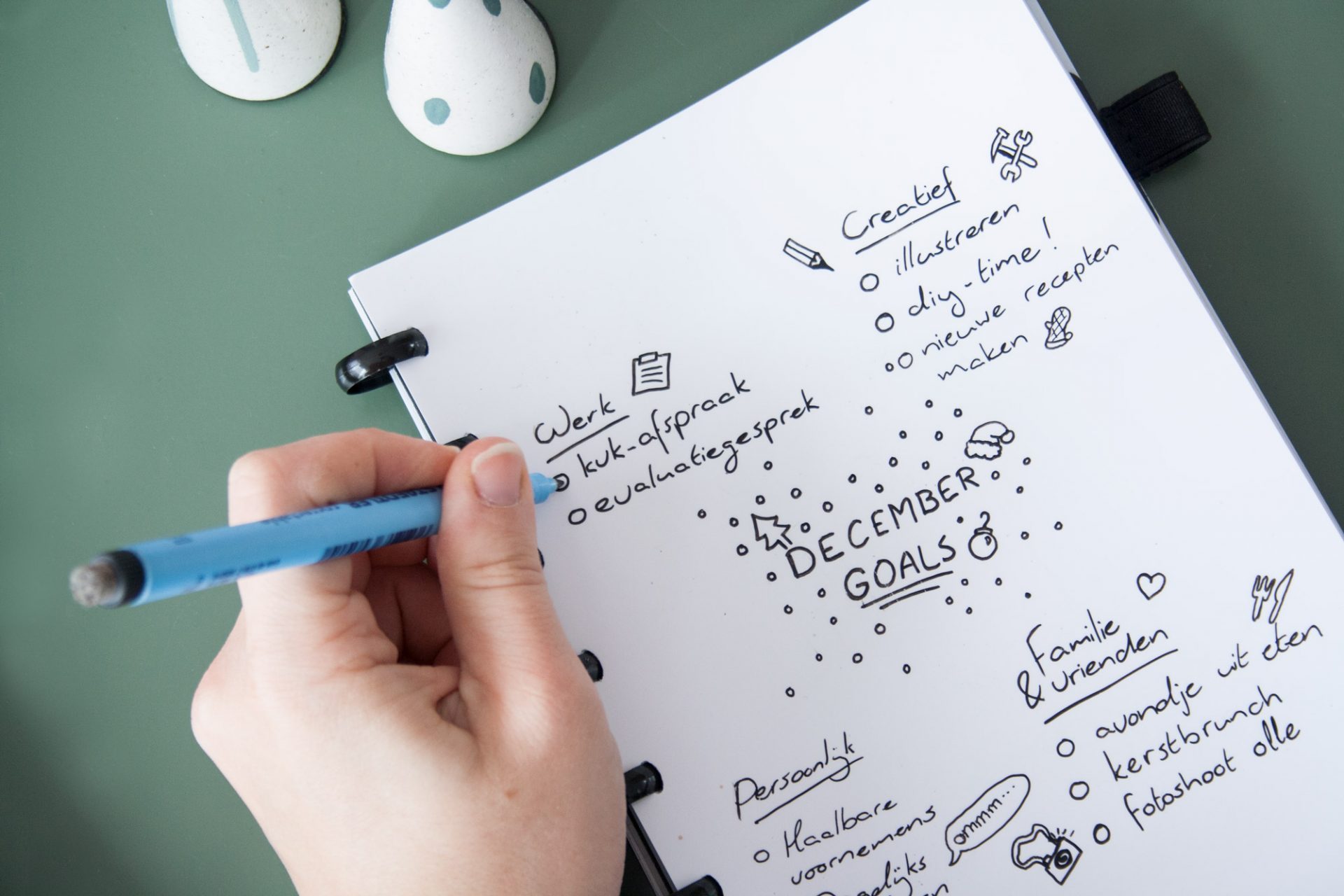
The move to paperless working Paperless working, it almost sounds like a futuristic concept, but it's closer than you think. With advances in technology, the need for physical documents is rapidly diminishing. But what exactly does it entail and why should you make the switch? What is paperless working? Working paperless means minimizing or even eliminating the use of paper in your daily use. This process involves switching from traditional paper-based systems to more reusable solutions or digital solutions. Consider digitizing documents or using digital communication tools that allow you to work more efficiently and productively. The benefits of paperless working Paperless working is not just a concept for businesses and organizations; it is relevant to everyone. Minimizing paper use in personal life can help organize tasks, reduce clutter and support environmental initiatives by reducing waste. Paperless working is better for the environment Switching to paperless working has a significant positive impact on the environment. By reducing the use of paper, we contribute to the preservation of forests and reduce the CO2 emissions associated with the production and transportation of paper. In addition, paperless working reduces the need for physical storage. Digital documents can be easily shared and stored without the carbon footprint involved in printing, copying and shipping physical documents. The use of erasable and reusable note-taking solutions such as GreenBook from GreenStory play a crucial role in this by minimizing the flow of paper in daily life. In addition, digital technology offers many opportunities for individuals to work paperless. Apps for notes, online calendars, cloud storage services and digital subscriptions to newspapers and magazines. Instead of printing, important documents can be stored securely on a computer or in the cloud, accessible from any Internet-connected device. Efficiency and accessibility Working paperless streamlines our work processes and makes information accessible wherever you are. Imagine no more digging through piles of documents to find that one important report. With a digital workspace, you have everything you need in the palm of your hand. Take GreenStory's GreenBook for example; it's a perfect tool for individuals looking to increase their personal efficiency. Whether keeping a journal, planning your daily activities, making shopping lists or sketching out ideas, an erasable notebook can replace the need for multiple paper versions. This not only reduces paper consumption, but also makes it easier to stay organized. Never print again, never file again, never lose again; paperless working frees us from the physical chains of document management. Cost savings Moving to a paperless workplace also means a significant reduction in costs. No paper, no ink, no printers, no maintenance - the savings add up quickly.Think of all the space you save without those filing cabinets. That space can be used for something productive, such as a quiet place to brainstorm or a lounge for employees. The inevitable move to paperless work The move to a paperless workplace is inevitable. With advances in technology and an increasing emphasis on sustainability, it's a logical step forward. GreenStory's GreenBook is a perfect example of this; it is not only a tool to save paper, but also a symbol of the cultural shift toward working more environmentally conscious and efficient. By choosing sustainable products like GreenBook and digital alternatives for everyday tasks, individuals can play an active role in protecting the environment while enjoying an organized and efficient life. FAQ Why is paperless working important? Paperless working reduces environmental impact by preserving forests and reducing CO2 emissions. It also contributes to efficiency by making documents accessible and editable from any Internet-enabled device. What are the first steps to going paperless? Start by identifying paper-based processes and replacing them with digital alternatives, such as digitizing documents and using apps for notes and scheduling. Can I still take notes like I'm used to in a paperless environment? Yes, with tools such as a GreenBook or digital tablets and styluses, you can continue to take notes in a manner similar to traditional writing. A GreenBook is a reusable and erasable notebook that replaces traditional paperwork, reducing paper waste and supporting eco-friendly practices.
The erasable Habit Tracker for GreenBook

I spent the past month testing the new habit tracker. It seemed incredibly useful to me for charting my habits. The habit tracker is a page you can click into your greenbook. This past month I tried it out and kept track of how often I practice yoga and whether I drink enough water every day. One page allows you to "track" 31 days, so you can track your habits for exactly one month. So you can follow different habits every month or the same habit(s) for a couple of months (among each other). You can also use different colors for different months. You can obviously let your creativity run wild! Setting goals Besides following your habits, you can also challenge yourself and set goals. For example, like I did with yoga. I set myself a goal to practice yoga at least once a week and tracked it through the tracker. It worked really well, because I could visually see in front of me if I succeeded in reaching my goal. It also felt like a real victory when I was allowed to color in one of those boxes on the erasable habit tracker. It was like a reward, even though it's only such a small thing. Insight This page gave me clear insight into when I drink enough water and when I don't. By holding the tracker next to your calendar at the end of the month, you can easily see if there are causes for the outcome. For example, I drank way too little on days when I was barely home. This shows that I simply forget to drink when I'm on the go. I'm really super happy with this addition to my greenbook. It's nice how you can go in so many different directions with this page. You can vary colors, number of habits or even goals and the time frame you track yourself. The page has a nice layout, the letters are easy to read and the space where you write your habit is spacious enough. I have nothing to comment on it at all and will enjoy using this page for a long time to come! About Marieke Hi, I'm Marieke. I've been blogging on Bluebell Forest about sustainability for almost two years now. Here I tell about my own journey to a more sustainable life and show how you can make your life more sustainable with simple changes. An article appears every Monday. Besides blogging, I love to travel and study in Utrecht.
Weekly planner: for an organized and harmonious life

In an ever-changing world, a well-planned week can make the difference between turmoil and calm. sticky whiteboard planners can help you structure your days and weeks, keep track of tasks and increase your roommates' engagement. In this article, we dive deeper into the benefits of using weekly planners, monthly planners and family planners, and how they can contribute to an organized and harmonious life. Reduction of Stress A well-planned week and month mean less stress. You don't have to think about what needs to be done every day; you don't have to be behind the times every day; there is an overview at a glance. This gives you peace of mind and helps you stay calm and organized, regardless of the hustle and bustle. Cooperation and Cohesion Family planners create a sense of cooperation and cohesion within the family. Everyone is aware of each other's plans and can support each other in managing busy schedules on both a weekly and monthly basis. Overview and Structure With planners for both the week and month, you get a clear overview of what's to come. Specific spaces for each day and month allow you to record appointments, tasks and important notes in one place. This gives you a structured overview, allowing you to plan more efficiently. Efficient Time Management Weekly planners and monthly planners help you manage your time. The monthly planner gives you an overview of all important events and appointments at a glance. This improves your time management and helps you be more productive. Joint Planning and Involvement A family planner is a great way to involve the whole family in planning. Each family member can write down their appointments and tasks, so you can easily see who is where and what is going on. This ensures smooth coordination. Priorities and Goals Weekly planners and monthly planners allow you to clearly define your priorities and goals. You can identify which tasks are most important and ensure that you spend your time effectively on what really matters, both in the short and long term. Creativity and Flexibility Sticky whiteboard planners provide space not only for appointments and tasks, but also for creativity. You can use colors, add notes and develop your own system that suits you. Moreover, you can easily adjust your planning when unexpected changes occur. About Sticky Whiteboards Sticky whiteboards are innovative sheets that combine the functionality of traditional whiteboards with a re-stickable back. They can be ordered with different designs such as